May 30, 2026
Turning Process Into Reality
A note on presenting creative process like a story.
Good portfolio writing does not need to explain every tiny move. It needs to create a path: the spark, the constraint, the choice, the result.
For development work, I like treating the process like a comic page. Each part scaffolds and builds upon the last. A rough beginning shows uncertainty. A small detail shows craft. A final spread of features shows the payoff.
That rhythm makes the work easier to remember, and it gives the viewer a reason to keep moving through your site.
Why I Made This Project
And Why You Should Start One
There is one main reason.
You are now forced to become a content maker.
The New Résumé Is Content
That much is clear in today’s economy.
The heyday of grinding LeetCode or chasing the next Salesforce certification is fading. Being busy is fine, learning is great but progress towards something tangible, marketable, and content-worthy is what actually gets rewarded.
Ask yourself: if you wanted to show your friends what you’ve been up to, what are you actually pulling up? Your certificates and LeetCode easys, or the website/product you built?
That’s the shift. If you can’t position yourself, build an audience, or sell your expertise, then enjoy the job-hopping and layoffs every other year. A senior title is great until the company cuts your check and then you’re back to square one, leaning on a single skillset and hoping it’s still in demand. Always keep learning, but build something tangible even if its not perfect.
The Thinking
Behind It
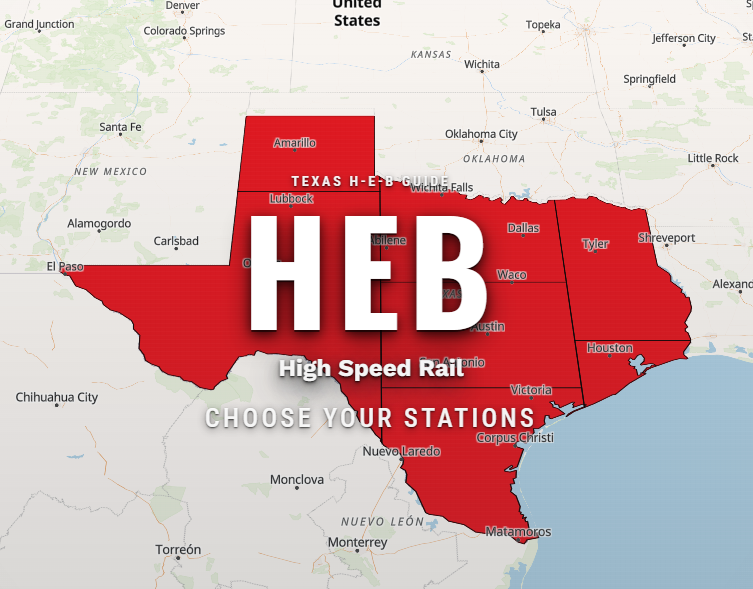
The concept came from a genuine observation: HEB locations across central Texas are already distributed like a transit network. The density, the spacing, the way each store anchors a neighborhood. Texas has no real public transit to speak of, so what happens when you take something everyone here knows and trusts, and reframe it as the infrastructure we never built?
That’s the creative decision. Not the code. The decision to use HEB specifically, because the absurdity only lands when the stand-in is real and recognizable. A generic grocery chain doesn’t work. HEB works because every Texan has a relationship with it.
The second decision was tonal. The project had to feel like a real transit app. it should not be a parody, not a meme interface. Proper UI, real coordinates, routing logic. The gap between what exists and what could exist only lands if you briefly believe it. You need someone to click from Austin to Fort Worth, watch the route populate, and sit with the fact that they could be there in under an hour instead of 3 hours down I-35 if this existed in real life.
That is the point I wanted to make. Not Written but felt.
Claude Code handled the technical execution.
The vision, the direction, the concept, and the point it was making that was the work I focused on. A creative tool in service of a creative decision is just production. What mattered was knowing what to build before a single line existed.
See It Live
The project is live at hebhighspeedrail.com. Pick two stores and plan your trip.
I also got the chance to present it at Austin Demo Day.